TransitFix Home

Category

Urban Mobility

16 articles

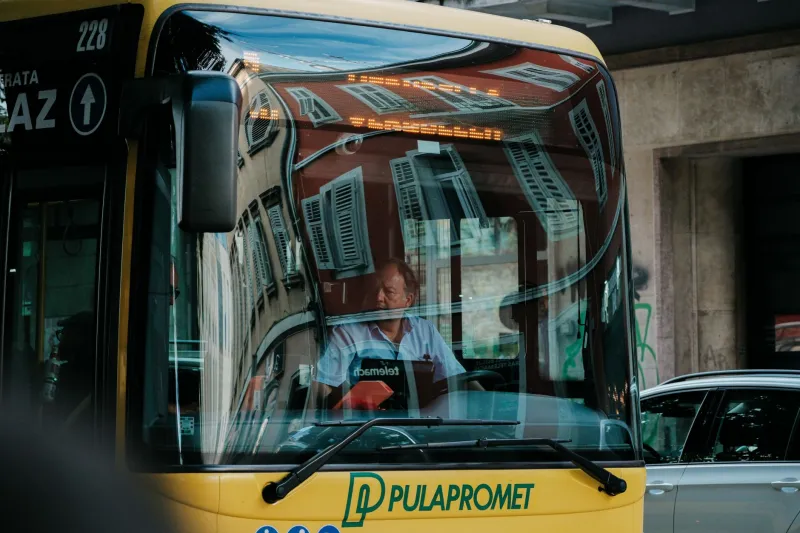
Underpaid and Overextended: How Transit Worker Wages Are Quietly Degrading the Commutes Americans Depend On

Underpaid and Overextended: How Transit Worker Wages Are Quietly Degrading the Commutes Americans Depend On

Transit agencies across the United States are losing experienced operators and maintenance staff to better-paying public sector jobs, and the consequences are showing up in delayed buses, deferred repairs, and unreliable service. A closer examination of compensation structures reveals a systemic underpayment problem that quietly undermines the commuter experience. Addressing transit worker wages may be one of the most direct levers cities have for improving the reliability riders actually feel.

Clocked Out by the Schedule: How Transit Systems Are Abandoning America's Shift Workers

Clocked Out by the Schedule: How Transit Systems Are Abandoning America's Shift Workers

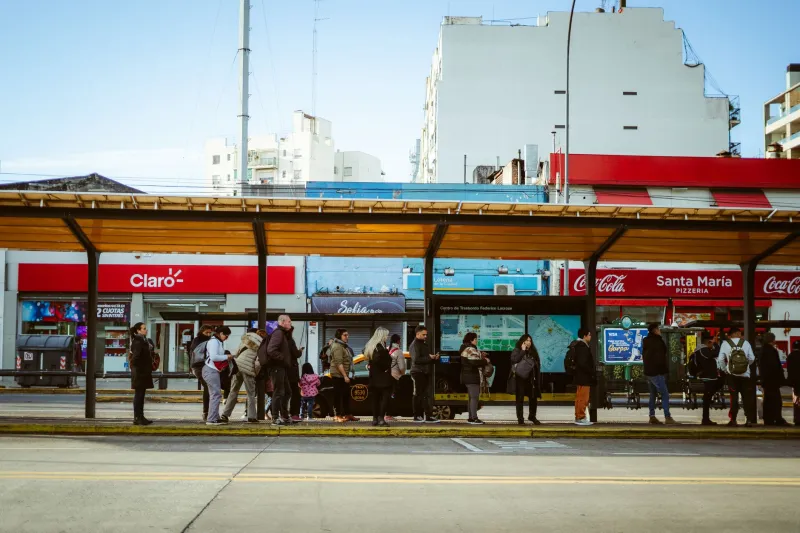
Millions of Americans employed in healthcare, hospitality, retail, and food service depend on transit systems engineered almost exclusively around the nine-to-five weekday commute. As shift work continues to define a substantial share of the American labor force, the scheduling and funding priorities of public transit agencies leave these riders with fewer options, longer waits, and fewer routes. Data-driven planning tools are beginning to offer a path forward — but adoption remains uneven and u

When the Bus Doesn't Show: How Transit Unreliability Shrinks the Job Market for Millions of American Workers

When the Bus Doesn't Show: How Transit Unreliability Shrinks the Job Market for Millions of American Workers

For low and middle-income workers across the United States, an unreliable transit system does more than cause late arrivals — it fundamentally narrows the range of jobs they can realistically pursue. New economic analysis reveals how transit unpredictability functions as a hidden barrier to career advancement, compressing wage potential and extending job searches in ways that rarely appear in official labor statistics.

Built for Yesterday's Commute: How Hub-and-Spoke Transit Is Failing the Modern American Worker

Built for Yesterday's Commute: How Hub-and-Spoke Transit Is Failing the Modern American Worker

American transit networks were engineered around a world where workers streamed into downtown cores every morning and retreated to suburbs every evening. That world no longer exists for millions of commuters, yet the infrastructure built to serve it remains largely unchanged. Cities across the country are now grappling with the costly consequences of networks that point the wrong direction.

The Hidden Price of Living Without Transit: How Transportation Deserts Drain Low-Income Budgets

The Hidden Price of Living Without Transit: How Transportation Deserts Drain Low-Income Budgets

For millions of American workers living beyond the reach of reliable public transit, the absence of bus lines and rail service is not merely an inconvenience — it is a recurring financial penalty. New research and firsthand accounts reveal how transportation deserts quietly extract thousands of dollars each year from the households least equipped to absorb the cost.

Billions in the Ground: How American Cities Keep Betting on Rail Lines That Riders Never Come to Use

Billions in the Ground: How American Cities Keep Betting on Rail Lines That Riders Never Come to Use

Across the United States, major cities continue to break ground on expensive rail projects backed by optimistic ridership forecasts that rarely survive contact with reality. A combination of political ambition, federal funding incentives, and methodologically flawed planning processes routinely overrides the commuter data that should be driving these decisions. The result is a landscape dotted with underperforming transit expansions that consume resources without meaningfully improving urban mob

Tolls as Transit Funding: The Promise and the Politics of Congestion Pricing in American Cities

Tolls as Transit Funding: The Promise and the Politics of Congestion Pricing in American Cities

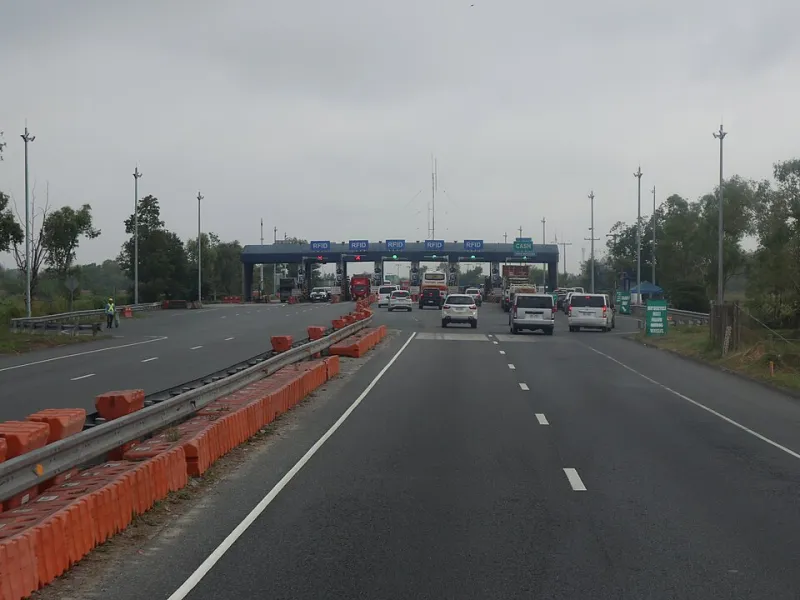
Congestion pricing has moved from academic theory to lived reality in several major cities, with New York becoming the first in the United States to attempt a full-scale central business district toll program. But whether the revenue generated actually translates into meaningfully better transit—or simply redraws the boundaries of who can afford to travel—remains an open and consequential question.

Buses Without Drivers: How America's Transit Agencies Are Buying Vehicles They Cannot Operate

Buses Without Drivers: How America's Transit Agencies Are Buying Vehicles They Cannot Operate

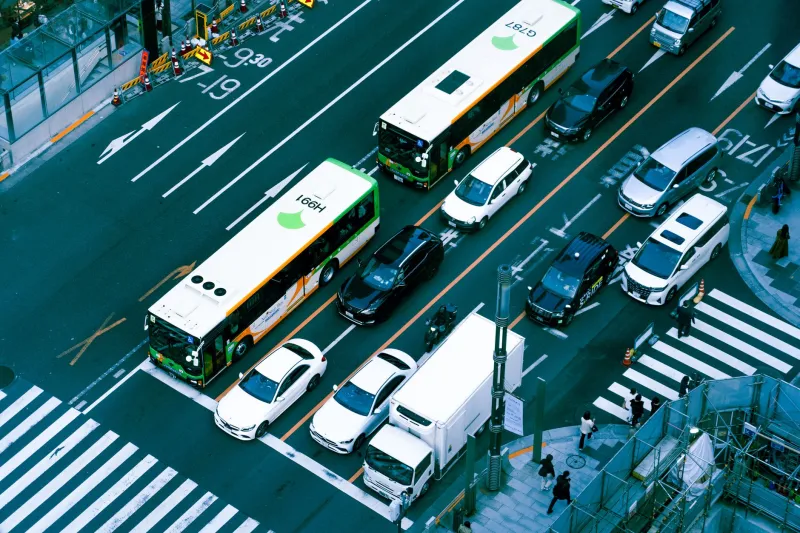
Across the United States, transit agencies are taking delivery of brand-new buses while their driver rosters sit critically understaffed. A structural mismatch between federal procurement cycles, local budget timelines, and a deepening workforce crisis is leaving millions of dollars in rolling stock idle in maintenance yards — and leaving commuters without service.

Wasted Hours: The Hidden Time Tax That Makes Driving Cheaper Than Transit

Wasted Hours: The Hidden Time Tax That Makes Driving Cheaper Than Transit

For millions of American workers, the true cost of riding transit isn't measured in fares—it's measured in hours lost to transfers, schedule gaps, and signal delays that compound into a staggering weekly burden. New commute data across major US metros reveals that even systems marketed as frequent and reliable can quietly consume 5 to 10 hours of a rider's week. The question is no longer whether technology can fix this problem, but whether cities have the will to deploy it.

The Suburban Transit Maze: Why Getting From One Suburb to Another Often Means Going Downtown First

The Suburban Transit Maze: Why Getting From One Suburb to Another Often Means Going Downtown First

Millions of American workers live and work in the suburbs, yet the transit networks that serve them were designed for a city that no longer exists—one where jobs clustered downtown and everyone traveled inward in the morning and outward at night. For commuters making suburb-to-suburb trips, the result is a forced detour through a central hub that adds hours to journeys that could take minutes by car. New regional strategies and emerging mobility platforms are beginning to challenge this outdated

Acres of Asphalt: How Minimum Parking Requirements Are Quietly Killing Transit Ridership

Acres of Asphalt: How Minimum Parking Requirements Are Quietly Killing Transit Ridership

Mandatory parking minimums embedded in local zoning codes have long been treated as routine municipal housekeeping. In practice, they function as a quiet subsidy for car ownership that makes transit-oriented living economically unattainable for millions of Americans. A growing coalition of cities is beginning to dismantle these requirements — and the early evidence suggests ridership responds.

Sharing the Street: How American Cities Are Redesigning Roads to Make Bikes and Buses Work Together

Sharing the Street: How American Cities Are Redesigning Roads to Make Bikes and Buses Work Together

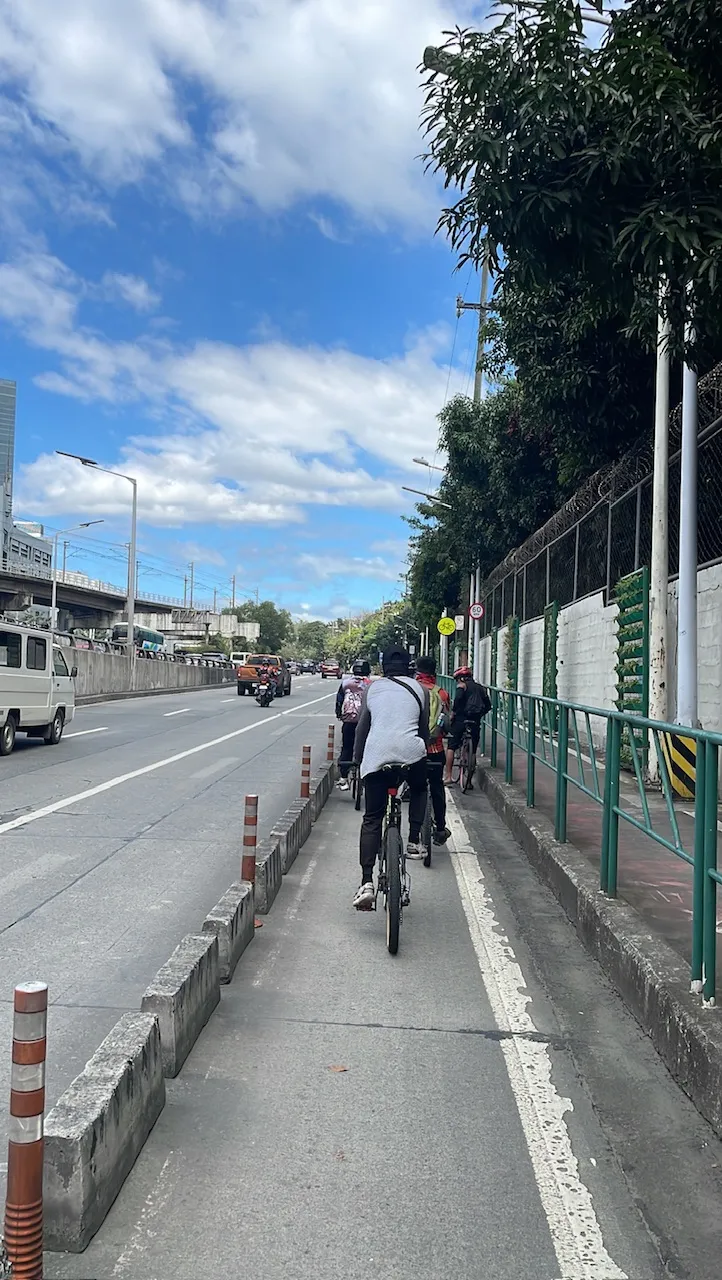
For years, dedicated bike infrastructure and bus rapid transit corridors have competed for the same scarce lane space in dense American cities, often to the detriment of both. A new wave of street redesign projects is demonstrating that these two modes don't have to be adversaries—and that getting the geometry right can strengthen multimodal commuting for everyone. Urban planners and transportation engineers are beginning to crack the code.

Patchwork Rules, Real Consequences: How Micromobility Regulation Is Failing American Commuters

Patchwork Rules, Real Consequences: How Micromobility Regulation Is Failing American Commuters

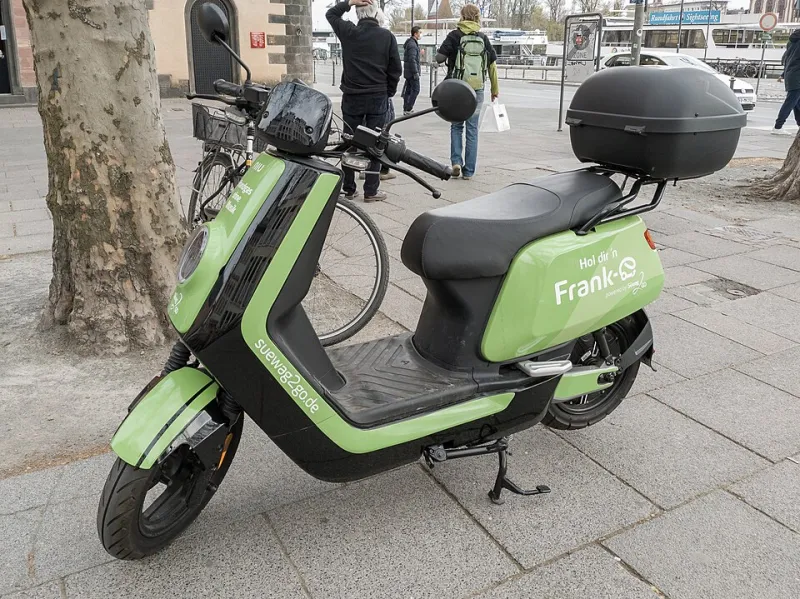
Across the United States, scooters, e-bikes, and shared bicycles are reshaping how people move through cities—yet the rules governing them vary so dramatically from one municipality to the next that riders, operators, and planners are left navigating an obstacle course of conflicting policies. The regulatory patchwork is not merely an inconvenience; it carries real costs for commuters who depend on these devices as legitimate transportation tools. TransitFix examines what's driving the fragmenta

Left Behind: The Hidden Geography of Transit Inequality in American Cities

Left Behind: The Hidden Geography of Transit Inequality in American Cities

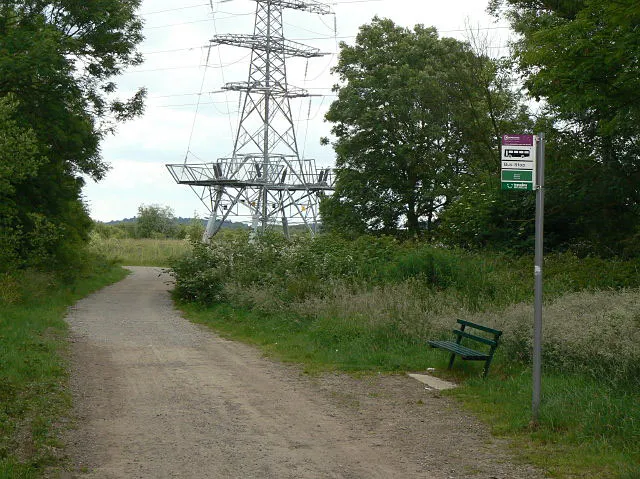
Millions of Americans live in neighborhoods where the nearest bus stop is a mile away and the nearest rail station might as well be on another planet. Transit deserts are not accidents of geography—they are the cumulative result of decades of planning decisions, funding priorities, and algorithmic blind spots that continue to shape who gets to move freely through a city and who does not.

The Final Stretch: How America's Transit Systems Are Losing Riders in the Last Half-Mile

The Final Stretch: How America's Transit Systems Are Losing Riders in the Last Half-Mile

Even the most sophisticated rail and bus networks in the United States are hemorrhaging ridership not because of long delays or overcrowded platforms, but because of what happens after commuters step off the train. The last-mile gap—that frustrating final stretch between a transit hub and a rider's actual destination—remains one of the most persistent and underappreciated failures in modern urban transportation. Cities across the country are now piloting bold new strategies to close this gap bef